

When people first hear the phrase urine test results, they often feel confused or even a little anxious. Understanding what these results actually mean is important because urine testing is one of the most common ways doctors check overall health. In this guide, we will break everything down in a simple way so it is easy to follow for a 12th-grade level reader.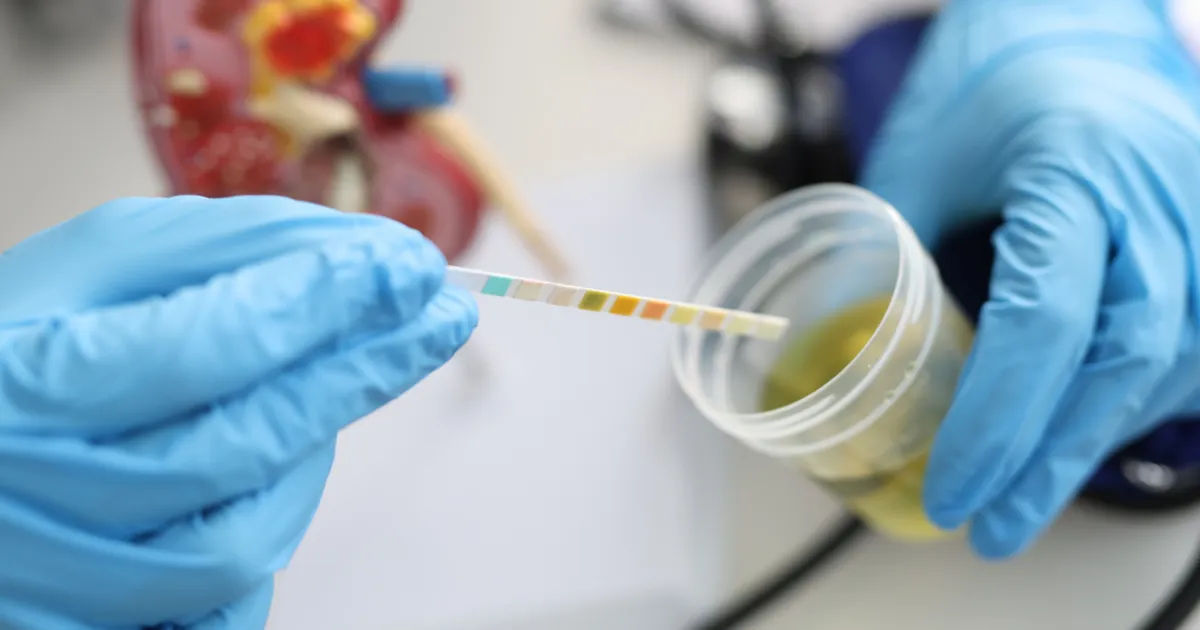
Before diving deep, it is also important to understand common concerns like how long does pee last for a drug test, because this question often comes up when discussing urine testing, storage, and accuracy. In fact, many people search for how long does pee last for a drug test when trying to understand how urine changes over time after collection.
Urine test reports can reveal information about hydration, kidney health, infections, sugar levels, and more. Sometimes results look complicated, but once you understand the basics, they become much easier to read. Throughout this article, we will also revisit how long does pee last for a drug test to help connect different parts of urine testing with real-life concerns.
Let’s explore everything step by step in a clear and structured way.
The Basics of a Urine Test
A urine test, also called urinalysis, is a laboratory test that examines urine for signs of health or disease. Doctors use it for routine checkups, diagnosing infections, and monitoring conditions like diabetes or kidney disease.
Urine is made by the kidneys, which filter waste and extra fluids from the blood. Because of this, urine carries many clues about what is happening inside the body.
People often ask how long does pee last for a drug test when thinking about how stable urine samples are. This question is connected to how urine composition changes after leaving the body.
Urine test results usually include three main parts:
- Physical examination (color, clarity, smell)
- Chemical analysis (glucose, protein, pH, etc.)
- Microscopic examination (cells, bacteria, crystals)
Each part gives different information, helping doctors form a complete picture of health.
The question how long does pee last for a drug test is also important in understanding why labs process samples quickly to avoid changes in composition.
Physical Appearance of Urine Results
The first part of urine testing looks at how urine appears. This includes color, clarity, and sometimes odor.
Normal urine is usually light yellow, which comes from a pigment called urochrome. Dark yellow urine may indicate dehydration, while very pale urine may mean high fluid intake.
Cloudy urine can suggest infection or the presence of crystals.
When discussing stability, many people again think about how long does pee last for a drug test, because urine can change color and clarity if left standing too long.
Temperature, exposure to air, and time all affect urine quality. This is why labs process samples quickly after collection.
Doctors interpret physical changes carefully because they often provide the first clue about a health issue.
Understanding these changes also helps explain why how long does pee last for a drug test is such a commonly asked question in medical and testing environments.
Chemical Analysis in Urine Testing
Chemical testing uses special dipsticks that change color based on substances in urine. This part of the test checks for important chemicals.
Some key elements include:
- Glucose (sugar)
- Protein
- Ketones
- Blood
- pH level
- Nitrites
Abnormal levels can indicate conditions like diabetes, kidney disease, or infections.
For example, glucose in urine may suggest high blood sugar levels. Protein may indicate kidney stress or damage.
People often connect this stage of testing with how long does pee last for a drug test, since chemical stability can change if urine is not tested quickly.
Chemical reactions in urine continue after it is collected, which is why timing matters so much.
This is also why professionals emphasize how long does pee last for a drug test when discussing sample handling and reliability.
Microscopic Examination of Urine
In this stage, urine is examined under a microscope. Lab technicians look for tiny particles that cannot be seen with the eye.
These include:
- Red blood cells
- White blood cells
- Bacteria
- Crystals
- Casts (tiny tube-shaped particles)
The presence of red blood cells may suggest bleeding somewhere in the urinary tract. White blood cells often point to infection.
Bacteria may confirm a urinary tract infection (UTI), while crystals may suggest kidney stone risk.
Even here, the question how long does pee last for a drug test becomes relevant because bacteria can grow over time if urine is not stored properly.
Microscopic results are very sensitive to time and temperature, which is why labs process urine quickly.
This also explains why how long does pee last for a drug test is important for accurate lab interpretation.
What Normal Urine Results Mean
Normal urine results usually mean that your body is functioning well. It suggests:
- Kidneys are filtering properly
- No major infection is present
- Blood sugar levels are stable
- No significant internal bleeding
A normal report typically shows:
- Light yellow urine
- No protein or glucose
- No bacteria or blood cells
However, even normal results depend on proper sample handling. This is why how long does pee last for a drug test is a key consideration in medical testing environments.
If urine sits too long, results may become inaccurate. That is why timing is crucial.
Doctors always interpret results along with symptoms, not just lab numbers.
The stability of samples also connects back to how long does pee last for a drug test, since freshness affects accuracy.
Abnormal Urine Test Results and What They Mean
Abnormal results do not always mean something serious, but they need attention.
Common abnormalities include:
Protein in Urine
Protein may suggest kidney stress or damage. It can also appear temporarily after exercise or fever.
Glucose in Urine
This may indicate diabetes or uncontrolled blood sugar.
Blood in Urine
Blood may suggest infection, stones, or injury.
Ketones
These appear when the body burns fat for energy, often seen in fasting or diabetes.
Bacteria
This usually indicates infection.
Each abnormal result must be interpreted carefully.
Even here, professionals consider how long does pee last for a drug test because urine changes over time can affect accuracy.
Understanding timing is important when evaluating abnormal findings, especially when considering how long does pee last for a drug test in lab conditions.
Factors That Affect Urine Test Results
Many things can affect urine test outcomes. These include:
- Hydration level
- Diet
- Medications
- Exercise
- Time of day
- Storage conditions of the sample
For example, dehydration can make urine more concentrated, while hydration can dilute it.
Medications may also change color or chemical readings.
One important factor is time. This is why how long does pee last for a drug test is frequently discussed in clinical settings.
If urine is left too long before testing, bacteria can multiply and chemicals can break down.
That is why laboratories follow strict timing rules and often repeat the importance of how long does pee last for a drug test in handling instructions.
Common Misconceptions About Urine Tests
Many people misunderstand urine testing. Here are some common myths:
Myth 1: Color Alone Determines Health
Color is important, but not enough for diagnosis.
Myth 2: Normal Results Mean Perfect Health
Not always. Some conditions need more advanced tests.
Myth 3: Drinking Water Can Always Fix Abnormal Results
Hydration helps, but does not fix underlying issues.
Myth 4: Urine Never Changes After Collection
In reality, urine changes over time, which relates directly to how long does pee last for a drug test.
Myth 5: All Abnormal Results Are Serious
Some abnormalities are temporary and harmless.
Understanding these misconceptions helps people interpret results better.
This is also why how long does pee last for a drug test is important in understanding accuracy and reliability.
When to See a Doctor After Urine Test Results
You should consult a doctor if your urine test shows:
- Blood in urine
- Persistent protein or glucose
- Signs of infection
- Abnormal results with symptoms
Even mild abnormalities should not be ignored if they persist.
Doctors may repeat tests or order further investigations.
In many cases, they also consider sample freshness, including factors like how long does pee last for a drug test, before making final conclusions.
Proper diagnosis depends on both lab results and clinical symptoms.
Conclusion
Urine test results provide valuable insight into overall health. They help detect infections, kidney problems, diabetes, and other conditions early. While the results may seem complex at first, breaking them into physical, chemical, and microscopic parts makes them easier to understand.
A key takeaway is that timing and sample handling are extremely important. This is why the topic of how long does pee last for a drug test is often discussed alongside urine testing. It highlights how urine changes after collection and why laboratories must process samples quickly.
From color changes to chemical breakdown, urine is a dynamic substance that reflects the body’s condition in real time. Understanding how long does pee last for a drug test helps explain why fresh samples give the most accurate results.
Overall, urine testing is a powerful medical tool, but it must be interpreted carefully. Always consider symptoms, medical history, and proper sample handling together for the best understanding of results.