

The world of arabic appetizers is rich, colorful, and deeply connected to centuries of culinary tradition. Many arabic appetizers rely on carefully balanced spices that give them their signature aroma and taste.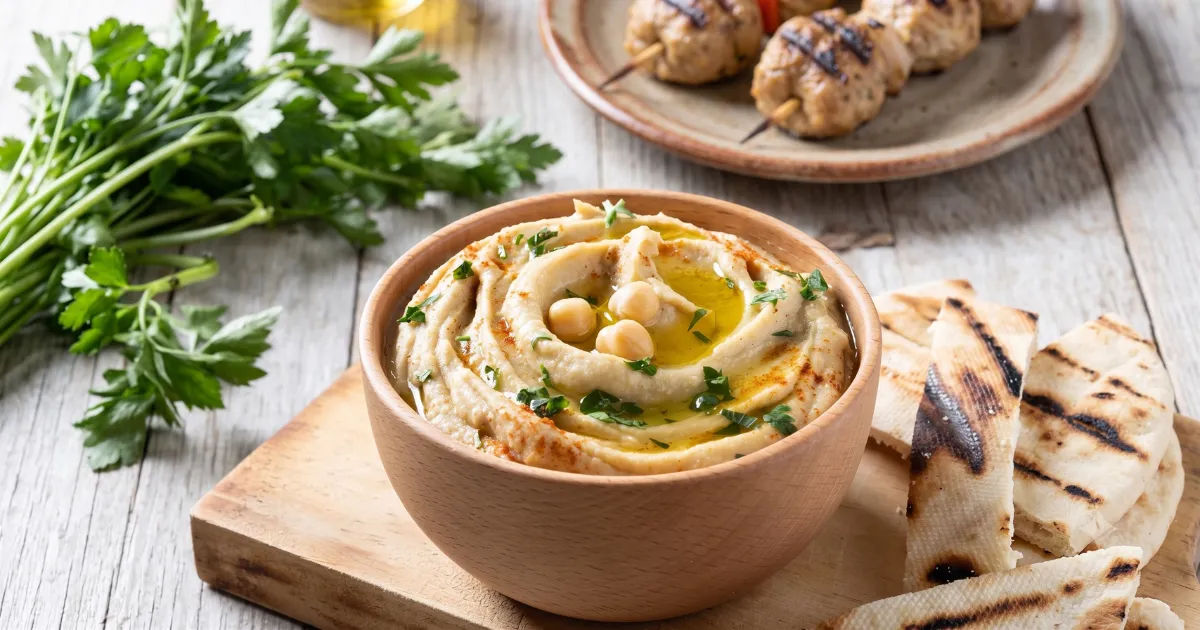
In fact, spices are what transform simple ingredients into unforgettable dishes in arabic appetizers, making them flavorful, warm, and satisfying.From cumin and coriander to sumac and za’atar, spices are the heart of many arabic appetizers across the Middle East and North Africa. This guide explores which dishes use spices, how they are used, and why they matter so much in everyday food culture.
The Role of Spices in Arabic Appetizers
Spices are not just flavor enhancers in arabic appetizers; they are part of cultural identity. Every region has its own spice preferences, but the goal is always the same: balance.
In arabic appetizers, spices are used to:
- Add depth and aroma
- Balance acidity and richness
- Enhance natural ingredients
- Create signature regional flavors
Common spices found in arabic appetizers include cumin, paprika, coriander, cinnamon, allspice, sumac, and chili flakes. These spices can be mild or bold depending on the dish.
Essential Spices Used in Arabic Cuisine
To understand arabic appetizers, it is important to know the core spices that define them.
Cumin
Cumin is earthy and warm. It is widely used in arabic appetizers like hummus and falafel.
Coriander
Coriander adds citrusy notes and is often combined with cumin in arabic appetizers for balance.
Sumac
Sumac brings a tangy, lemon-like flavor and is essential in many arabic appetizers, especially salads and dips.
Za’atar
Za’atar is a spice blend used in bread, dips, and many arabic appetizers. It usually contains thyme, sesame, and sumac.
Paprika and Chili
These add color and heat to arabic appetizers, especially in dips like muhammara.
Cinnamon and Allspice
These are used in savory pastries and meat-based arabic appetizers for warmth and depth.
Hummus: A Spiced Classic
Hummus is one of the most famous arabic appetizers in the world. While it may seem simple, spices play a key role in its flavor.
Common spices in hummus include:
- Cumin
- Paprika
- Garlic
These spices give hummus its earthy and slightly smoky taste. In many regions, olive oil is topped with paprika or cumin to enhance presentation and flavor. Among all arabic appetizers, hummus is one of the most customizable with spices.
Baba Ghanoush: Smoky and Seasoned
Baba ghanoush is another staple in arabic appetizers. Made from roasted eggplant, it has a naturally smoky flavor.
Spices commonly used include:
- Cumin
- Paprika
- Garlic powder
- Lemon zest
The spices in baba ghanoush are subtle but essential. They enhance the roasted flavor and make it one of the most beloved arabic appetizers on any mezze table.
Falafel: Spiced and Crispy
Falafel is a deep-fried chickpea dish that is heavily seasoned. It is one of the most popular street-style arabic appetizers.
Key spices include:
- Cumin
- Coriander
- Garlic
- Chili flakes
These spices give falafel its bold and slightly spicy flavor. Without these spices, falafel would lose its signature taste, making it less distinctive among arabic appetizers.
Muhammara: A Spicy Pepper Dip
Muhammara is a vibrant red pepper dip that stands out among arabic appetizers due to its bold spice profile.
It typically includes:
- Aleppo pepper
- Walnuts
- Cumin
- Olive oil
- Garlic
The combination creates a sweet, smoky, and slightly spicy flavor. Muhammara is one of the richest-tasting arabic appetizers, perfect for bread dipping.
Kibbeh: Spiced Meat Delight
Kibbeh is a traditional dish made with bulgur wheat and minced meat. It is one of the more complex arabic appetizers due to its spice blend.
Common spices include:
- Allspice
- Cinnamon
- Nutmeg
- Black pepper
These spices give kibbeh its warm and aromatic profile. Whether fried, baked, or raw, kibbeh remains one of the most flavorful arabic appetizers in Middle Eastern cuisine.
Sambousek: Spiced Savory Pastries
Sambousek are small stuffed pastries filled with meat, cheese, or vegetables. They are widely enjoyed during gatherings and are classic arabic appetizers.
Spices used often include:
- Cinnamon (in meat fillings)
- Black pepper
- Cumin
- Nutmeg
The spice combination depends on the filling, but they always enhance the taste. Sambousek are essential festive arabic appetizers in many cultures.
Fatayer: Herb and Spice Filled Pastries
Fatayer are soft pastries filled with spinach, cheese, or meat. They are lighter than sambousek but still full of flavor.
Spices commonly used:
- Sumac (especially in spinach filling)
- Black pepper
- Allspice
These spices give fatayer a tangy and savory profile. Among baked arabic appetizers, fatayer is especially popular for its simplicity and taste.
Labneh with Spices
Labneh is a thick strained yogurt often served with olive oil and spices. It is one of the simplest yet most flavorful arabic appetizers.
Spices used include:
- Za’atar
- Chili flakes
- Dried mint
- Sumac
These spices transform plain yogurt into a rich dip. Labneh is one of the most versatile arabic appetizers because it can be adjusted to taste easily.
Tabbouleh and Spiced Herb Mixes
Tabbouleh is a fresh herb salad made with parsley, tomatoes, and bulgur. While it is not heavily spiced, it still uses seasoning elements common in arabic appetizers.
Key flavor enhancers include:
- Lemon juice
- Black pepper
- Salt
- Sometimes sumac
These light seasonings allow the fresh ingredients to shine. Tabbouleh is one of the healthiest arabic appetizers, focusing more on herbs than heavy spices.
Za’atar Manakish: Spice-Driven Flatbread
Za’atar manakish is a flatbread topped with za’atar spice mix and olive oil. It is one of the most aromatic arabic appetizers.
Za’atar includes:
- Thyme
- Sesame seeds
- Sumac
This blend creates a nutty, tangy, and herbal flavor. Za’atar manakish is one of the simplest yet most flavorful arabic appetizers, often eaten for breakfast or snacks.
Spice Blends That Define Arabic Appetizers
Many arabic appetizers rely on spice blends rather than single spices. These blends are carefully balanced.
Common blends include:
- Baharat (mixed spices)
- Za’atar
- Ras el hanout (in some regions)
These blends are used in dips, meats, and pastries. They help create the unique identity of arabic appetizers across different regions.
Regional Differences in Spiced Appetizers
Different countries use spices differently in arabic appetizers.
- Levant region: Lighter spices, more herbs and sumac
- Gulf region: Stronger use of cinnamon and cardamom
- North Africa: Bolder, spicier blends like harissa
These differences make arabic appetizers incredibly diverse while still connected by shared traditions.
Why Spices Matter So Much
Spices are the foundation of flavor in arabic appetizers. Without them, many dishes would taste flat or incomplete.
They:
- Preserve food naturally
- Improve digestion
- Add aroma and depth
- Reflect cultural identity
This is why every plate of arabic appetizers feels both comforting and exciting at the same time.
Conclusion
Spices are the soul of arabic appetizers, shaping their taste, aroma, and cultural meaning. From the earthy warmth of cumin in hummus to the tangy brightness of sumac in fatayer, each dish tells a story through its seasoning. Across regions, arabic appetizers use spices not only for flavor but also for tradition and identity.
Whether it is a simple dip like labneh or a complex dish like kibbeh, spices remain the defining element that brings arabic appetizers to life. Understanding these spices helps us appreciate the depth and diversity of Middle Eastern cuisine on a deeper level.