

When you pick up a well-made leather jacket, one of the first things you notice is how easily the material bends and moves. A soft leather jacket does not feel stiff or plastic-like. Instead, it feels smooth, flexible, warm, and comfortable against the body.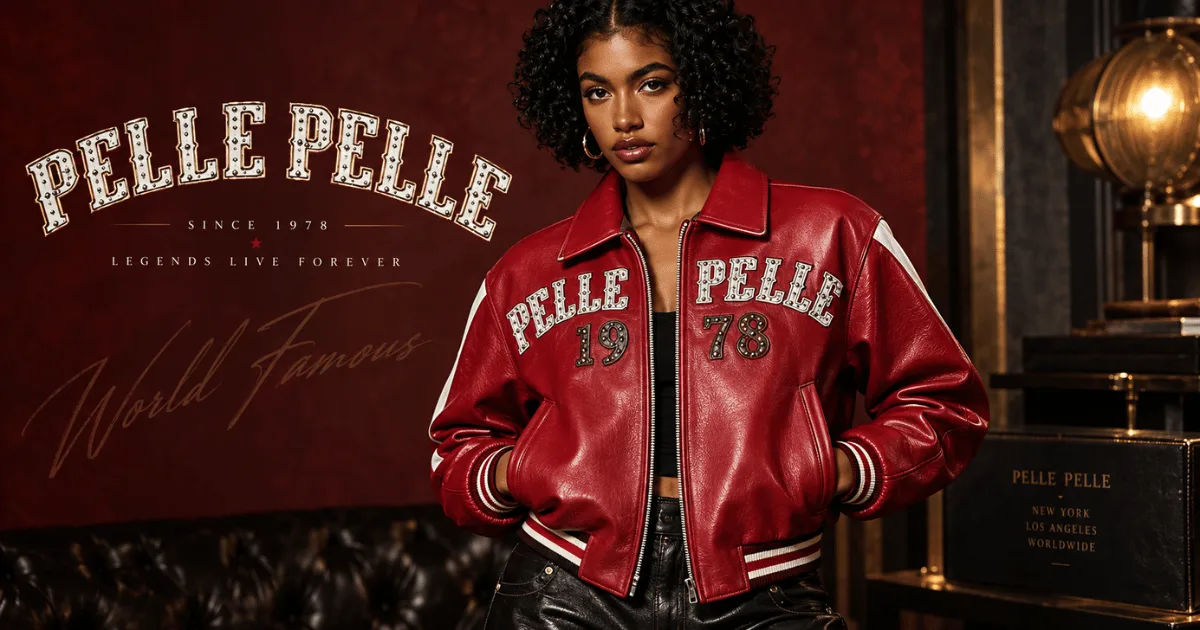
For shoppers comparing jackets at Pelle Pelle Store, understanding what creates that supple feeling can make it much easier to recognize quality leather.
The word “supple” describes leather that is flexible without feeling weak. It can fold, bend, and move naturally while still maintaining its structure. Several factors determine this quality, including the type of animal hide, leather thickness, tanning process, finishing methods, natural oils, moisture balance, and how the jacket is cared for over time.
Not every soft jacket is made from premium leather, either. Some materials are softened through heavy processing, while others become naturally supple because of their fiber structure and careful tanning. Learning the difference helps you understand why some leather jackets become more comfortable with age while others lose their shape.
What Does Supple Leather Actually Mean?
Supple leather has a combination of flexibility, softness, and resilience. When you bend it with your hands, it should move smoothly rather than crack, resist, or make a loud plastic-like sound.
A supple jacket also tends to follow the movement of your body. When you raise your arms, sit down, reach forward, or turn your shoulders, the leather should have enough flexibility to move with you.
This does not mean the leather has to be extremely thin. A thicker hide can still feel supple if its fibers have been properly processed and conditioned.
The key is the balance between softness and strength.
Leather is made from a natural network of collagen fibers. The way those fibers are arranged and treated has a major effect on how the finished material feels. When the fibers remain flexible and properly lubricated, the leather tends to feel soft and pliable.
The Type of Leather Matters
One of the biggest factors affecting suppleness is the type of leather used to make the jacket.
Different hides have different natural characteristics. Cowhide, lambskin, goatskin, and other leathers can all produce jackets with different levels of softness and flexibility.
Lambskin Leather
Lambskin is widely associated with an exceptionally soft feel. Its fibers are generally fine and delicate, allowing the leather to bend easily.
A lambskin jacket often feels smooth and lightweight when first worn. It can provide a luxurious sensation that makes it popular for fashion-focused jackets.
However, this softness can come with a trade-off. Lambskin may not tolerate rough treatment as well as heavier cowhide.
Cowhide Leather
Cowhide is generally stronger and more substantial. Depending on how it is tanned and finished, it can range from relatively firm to surprisingly supple.
A high-quality cowhide jacket may feel slightly structured when new and gradually become softer through regular wear.
This is one reason people often enjoy the aging process of a quality leather jacket. Movement, body heat, and regular use can gradually relax the leather fibers.
Goatskin Leather
Goatskin has a distinctive combination of strength and flexibility. It can feel soft while maintaining good resistance to everyday wear.
Its natural grain often gives it a slightly textured appearance. For people who want a jacket that combines durability with comfort, goatskin can be an attractive option.
The Tanning Process Influences Softness
Tanning is one of the most important stages in leather production.
Raw animal hide cannot simply be turned into a wearable jacket. It needs to undergo treatment that stabilizes the material, prevents decomposition, and creates the characteristics required for finished leather.
Different tanning methods produce different results.
Chrome tanning, for example, is widely used because it can produce leather that is relatively soft, flexible, and consistent. Vegetable tanning tends to create leather with a different character and may initially feel firmer.
The tanning process affects how the collagen fibers respond to movement, moisture, oils, and finishing treatments.
For someone shopping for a soft jacket from Pelle Pelle Store , the tanning method is therefore an important factor behind the final feel, even though it is not always obvious from simply looking at the jacket.
Natural Oils Help Leather Stay Flexible
Leather contains oils and fats that help keep its fibers flexible.
During processing, manufacturers may introduce conditioning agents that replace or supplement oils lost during tanning and drying.
These substances help reduce excessive stiffness. They allow the fibers to move against one another without becoming overly dry.
This is similar to what happens when leather is conditioned at home. A suitable leather conditioner can help maintain flexibility because it supports the material's moisture and oil balance.
However, more conditioner does not automatically mean softer leather.
Applying excessive amounts can make leather greasy, darken its appearance, or interfere with the finish. The goal is controlled conditioning rather than saturation.
Leather Thickness Affects How Soft a Jacket Feels
Thickness has a major influence on perceived softness.
Thin leather usually bends more easily because there is less material resisting movement. This can make a lightweight leather jacket feel exceptionally soft from the beginning.
Thicker leather naturally has more structure. Even if the hide itself is high quality, it may feel firmer because of its weight.
That does not necessarily mean thick leather is inferior.
A substantial leather jacket can become increasingly comfortable as it is worn. The material gradually responds to repeated movement, allowing it to develop a character that a brand-new jacket may not have.
When comparing jackets at Pelle Pelle Store, it is therefore better to consider softness together with thickness, construction, durability, and intended use.
The Fiber Structure Makes a Major Difference
Leather is not simply a flat sheet of material. It has a complex three-dimensional fiber structure.
Collagen fibers are intertwined throughout the hide. Their density and arrangement vary depending on the part of the animal from which the leather comes.
Areas with a tighter fiber structure may feel firmer. Other sections can be naturally more flexible.
The quality of the hide also matters.
Full-grain leather retains much of the natural surface and fiber structure. Because of this, it can develop a distinctive character as it ages.
Correct processing can make this natural material flexible without completely destroying its original strength.
Finishing Treatments Can Change the Feel
After tanning, leather may receive various finishing treatments.
These treatments can affect texture, appearance, resistance to moisture, and softness.
A heavily coated surface can sometimes feel smoother but less natural. In contrast, minimally finished leather may retain more of the original grain and a softer, more organic hand feel.
This is why two jackets made from similar hides can feel completely different.
The finishing process is effectively the final stage that determines how the material presents itself to the wearer.
A soft leather jacket should not only look smooth. It should also have a natural flexibility that can be felt when you handle it.
Why New Leather Can Feel Slightly Firm
People sometimes expect a new leather jacket to feel soft immediately.
That is not always the case.
Some high-quality leather jackets begin with a moderate amount of firmness. This is particularly common with thicker hides.
The leather may need time to adapt to the wearer's body.
As you wear the jacket, repeated bending occurs around the elbows, shoulders, waist, and sleeves. These movements gradually help the leather become more flexible.
Body heat also plays a role. Warmth can make leather feel more pliable during use.
This natural break-in process is one reason experienced leather-jacket owners often prefer to judge a jacket by its overall quality rather than expecting it to feel extremely soft on day one.
How Break-In Makes Leather More Supple
Break-in refers to the gradual process through which leather becomes more comfortable through regular use.
Imagine buying a new pair of sturdy leather boots. They may feel somewhat rigid initially, but after repeated use, they begin to conform to your movements.
A leather jacket can behave in a similar way.
The shoulders may soften first because they move frequently. The elbows can develop natural creases. The waist may begin following the wearer's posture.
Over time, these changes create a more personalized fit.
This is one of the appealing characteristics of genuine leather. Instead of remaining exactly the same throughout its life, quality leather can develop a unique appearance and feel.
Does Soft Leather Mean Better Quality?
Not necessarily.
Softness is only one characteristic of leather quality.
Extremely soft leather may be comfortable, but if it has been heavily processed or excessively thinned, it may not offer the durability you want.
On the other hand, a slightly firm leather jacket can be extremely well made and may become softer through use.
When evaluating a jacket from Pelle Pelle Store, consider several factors together.
Look at the grain, stitching, thickness, lining, hardware, seams, construction, and overall finishing. Then consider how the leather feels when you bend it.
A good leather jacket should have a purposeful balance between softness and structural integrity.
How Moisture Affects Leather Suppleness
Moisture can influence the flexibility of leather.
A small amount of natural moisture is not necessarily harmful, but excessive water can create problems. Leather can absorb water, and improper drying may cause it to become stiff or distorted.
If a jacket becomes wet, it is generally better to let it dry naturally at room temperature.
Direct high heat from radiators, hair dryers, or heaters can remove oils too quickly. This may leave the leather feeling dry and rigid.
Once completely dry, appropriate leather care may help restore some flexibility.
This is particularly important because dry leather tends to lose the supple quality that made it attractive in the first place.
Why Overconditioning Can Be a Problem
Leather conditioners can be useful, but using them too often can create unwanted results.
Leather needs balance.
Too little conditioning can allow the material to become dry. Too much can make it overly soft, oily, or heavy.
Some products can also affect color or surface finishes.
Always choose a conditioner appropriate for the specific type of leather. If you are uncertain, testing the product on a hidden area is a sensible precaution.
A quality jacket from Pelle Pelle Store should not require constant treatment to remain comfortable. Good leather care is about preservation rather than trying to transform the material completely.
Temperature Can Change How Leather Feels
Leather can feel different depending on the surrounding temperature.
In colder conditions, leather may feel slightly firmer. As it warms through body heat and movement, it can become more flexible.
This is normal.
The effect is especially noticeable with thicker leather.
It is one reason a jacket that feels somewhat structured when you first put it on outdoors may feel more comfortable after wearing it for several minutes.
Temperature does not fundamentally change the quality of the leather, but it can change how its fibers respond temporarily.
Stitching and Construction Also Matter
Suppleness is not determined by the leather alone.
The way the jacket is constructed affects how freely the material can move.
Tight stitching, restrictive panels, heavy linings, and poorly designed seams can make even soft leather feel uncomfortable.
Good construction allows the leather to move naturally around important areas such as the shoulders, elbows, chest, and waist.
A jacket should feel flexible where the body needs flexibility while maintaining enough structure to keep its shape.
This balance is particularly important in fashion leather jackets because appearance and movement need to work together.
The Lining Can Change the Perceived Comfort
A leather jacket has more than one layer.
The lining touches your clothing and affects how easily the jacket moves across your body.
A smooth lining can allow your arms and torso to move without unnecessary friction.
A heavy or restrictive lining may make a supple leather jacket feel less flexible than it actually is.
When trying on a jacket, therefore, do not judge the leather surface alone.
Move your arms forward, rotate your shoulders, sit down, and zip the jacket. These simple movements reveal whether the entire garment is comfortable.
How to Tell if Leather Is Naturally Supple
You can perform a few simple checks when examining a leather jacket.
First, gently bend the leather. It should flex without excessive resistance.
Next, lightly pinch a section between your fingers. Quality leather should feel substantial rather than paper-thin, while still responding naturally to pressure.
You can also examine the grain.
Natural leather generally has subtle variations. An overly uniform surface can indicate heavy correction or synthetic material, although appearance alone is never enough to identify leather quality with certainty.
Finally, pay attention to how the jacket moves when worn.
A supple jacket should not feel like it is fighting your body.
Does Leather Become Softer With Age?
In many cases, yes.
Regular wear can gradually soften leather because repeated movement relaxes the fiber structure.
Body heat and normal friction contribute to the break-in process.
However, aging does not automatically improve every leather jacket.
Poor-quality leather can dry out, crack, or lose its finish if neglected.
High-quality leather that receives sensible care can become more comfortable while developing attractive creases and character.
This aging process is one reason a well-maintained jacket from Pelle Pelle Store can become more personally valuable to its owner over time.
How to Keep a Leather Jacket Supple
Proper storage is one of the easiest ways to protect leather.
Use a broad, sturdy hanger that supports the shoulders. Avoid leaving a leather jacket crumpled in a small space for long periods.
Keep it away from excessive heat and direct sunlight.
If the jacket becomes wet, allow it to dry naturally.
Condition the leather occasionally when needed, using a product designed for that particular finish.
Do not use household oils, petroleum-based products, or random cleaning chemicals simply because they appear convenient. Leather finishes differ, and an unsuitable product can cause permanent changes.
For expensive or specialized leather, professional cleaning can be safer than experimenting at home.
Why Some Leather Jackets Feel Almost Silky
A very smooth and silky leather surface is often the result of fine-grain leather combined with careful finishing.
Lambskin is particularly known for this sensation.
The surface may feel almost buttery because the leather is thin, fine, and highly flexible.
However, silky softness should not be confused with strength.
A silky jacket can be excellent for comfortable fashion wear, while a heavier leather jacket may be more suitable for demanding everyday use.
The right choice depends on what you expect from the garment.
Softness, Durability, and Comfort Must Be Balanced
The ideal leather jacket is not necessarily the softest one you can find.
Instead, look for balance.
A good jacket should be comfortable enough to move in, durable enough for regular use, and structured enough to maintain its intended shape.
If leather is excessively soft because it has been aggressively processed, it may not provide the same long-term performance as a well-constructed hide with moderate firmness.
This is especially important when buying a jacket as a long-term wardrobe piece.
The best leather should feel alive and flexible without feeling fragile.
Why Leather Quality Is Easier to Appreciate Over Time
Leather is unusual among clothing materials because its character can develop with age.
Synthetic materials often attempt to remain visually consistent.
Leather can do the opposite.
Small creases, changes in texture, and subtle variations can become part of its appearance.
A jacket that initially feels structured may become increasingly comfortable after months or years of use.
That does not mean every mark is desirable. Scratches, deep stains, and severe dryness can damage the material.
But normal aging can create a distinctive appearance that makes the jacket feel more personal.
For many owners, this is one of the strongest reasons to invest in quality leather.
Choosing the Right Softness for Your Lifestyle
Your lifestyle should influence how soft your leather jacket needs to be.
If you mainly want a lightweight fashion jacket for evenings, travel, or casual outfits, very soft leather may be ideal.
If you need a jacket for frequent outdoor use, a somewhat thicker and more durable hide may be preferable.
For motorcycle-inspired styles, structured leather can offer a different balance of protection, durability, and flexibility.
For everyday urban wear, medium-weight leather often provides a useful middle ground.
When browsing Pelle Pelle Store, think about how you will actually wear the jacket rather than choosing based entirely on how soft it feels in your hands.
Common Mistakes That Make Leather Feel Less Supple
One of the biggest mistakes is exposing leather to excessive heat.
Another is using unsuitable cleaning products.
Some people also condition their jackets too aggressively, believing more product will always create more softness.
Poor storage is another problem.
Leaving a leather jacket folded tightly for long periods can create permanent creases. Hanging it incorrectly can stretch the shoulders.
Ignoring water damage can also cause problems.
Good leather care is relatively simple. Avoid extreme conditions, clean carefully, store properly, and condition only when necessary.
The Role of Quality Manufacturing
Manufacturing quality brings all these factors together.
The hide may be excellent, but poor tanning, aggressive finishing, weak stitching, or inadequate construction can reduce the final quality of the jacket.
Likewise, a carefully manufactured jacket can make excellent use of leather that has the right balance of softness and strength.
This is why experienced leather buyers look beyond the surface.
They consider how the material was selected, processed, cut, stitched, lined, and finished.
A jacket from Pelle Pelle Store should be evaluated as a complete garment rather than as a piece of leather alone.
How to Test a Jacket Before Buying
If possible, try the jacket on rather than judging it only from photographs.
Zip or button it completely.
Raise both arms.
Move your shoulders.
Bend your elbows.
Sit down.
Notice whether the leather naturally follows your movements.
Then check whether the jacket returns to its original shape without looking excessively stretched.
The best test is often simple: forget about the jacket for a few minutes and move normally.
If you stop noticing stiffness or restriction, the jacket is probably working well for your body.
Conclusion
A soft leather jacket feels supple because several physical and manufacturing factors work together. The type of hide, collagen fiber structure, tanning method, thickness, natural oils, conditioning, finishing treatments, construction, and age can all influence the final feel.
Lambskin is naturally known for exceptional softness, while cowhide and goatskin can provide different combinations of flexibility and durability. A thicker leather jacket may initially feel firm but can become noticeably more comfortable as it breaks in.
The important point is that softness alone does not define quality. A jacket that feels extremely soft is not automatically better than one with a slightly firmer structure. What matters is the balance between flexibility, durability, comfort, appearance, and long-term performance.
Good leather should move naturally without feeling weak. It should respond to your body while retaining enough structure to maintain the jacket's shape. With sensible care, quality leather can become increasingly comfortable as it ages.
When choosing a jacket from Pelle Pelle Store, pay attention to more than the first impression. Examine the leather, test its flexibility, consider its thickness, inspect the construction, and think about how you plan to use it. A well-made leather jacket should feel comfortable today while having enough quality to become even more personal and supple with regular wear.
Ultimately, the supple character of leather comes from a careful balance between nature and craftsmanship. The hide provides the foundation, tanning and finishing shape its characteristics, and everyday wear gradually gives the jacket its individual personality. That combination is what makes a genuinely good leather jacket feel different from an ordinary garment.