

Water damage can happen unexpectedly because of many reasons, including heavy rain, plumbing failures, leaking roofs, burst pipes, or appliance problems. When water enters your home or business, taking the right steps before professional help arrives can reduce damage and make the recovery process easier. 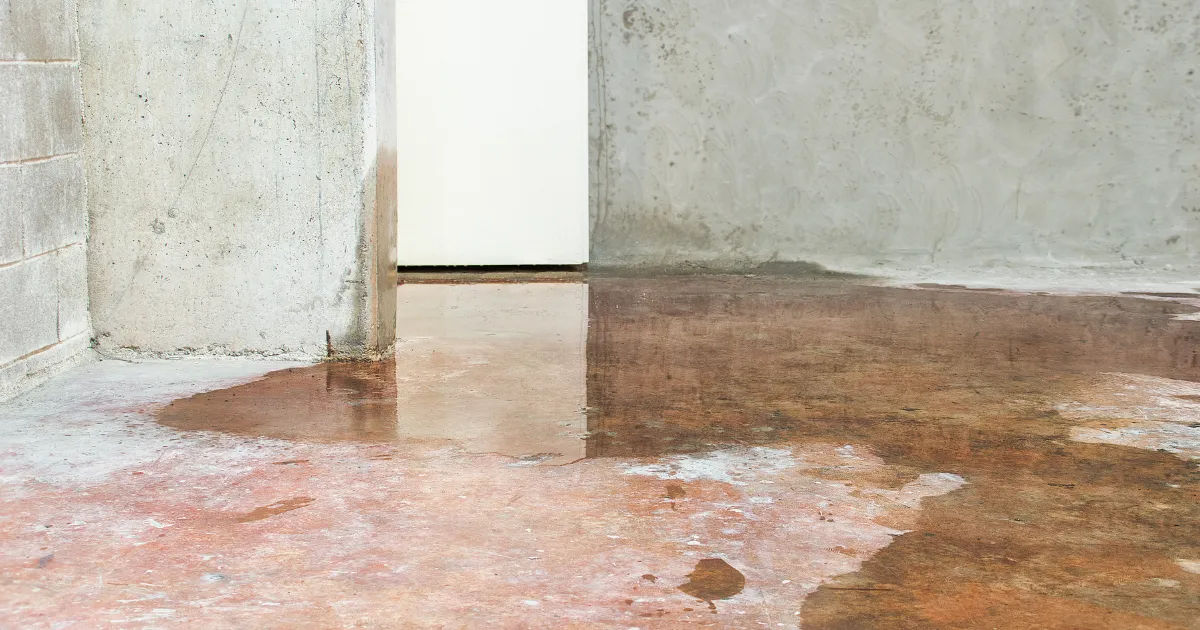 Water Damage Restoration Lancaster CA services are designed to remove water, repair affected areas, and restore properties, but preparation before restoration begins plays an important role in protecting your belongings and preventing additional problems.
Many property owners panic when they discover water damage, but quick and careful actions can make a major difference. Knowing what to do before professionals arrive helps protect your health, improve safety, and support a faster restoration process.
Assess the Situation and Stay Safe
The first step after discovering water damage is to carefully evaluate the situation. Before entering a damaged area, consider whether it is safe. Water damage can create hidden dangers that are not always visible immediately.
Electrical hazards are one of the biggest concerns. If water has reached electrical outlets, wiring, appliances, or your electrical panel, avoid touching anything connected to electricity. Standing water combined with electricity can create a serious risk of shock.
If possible and safe, turn off the main power supply before entering the affected area. If you are unsure about the electrical condition of your property, wait for trained professionals to inspect the area.
Structural damage is another concern. Water can weaken walls, ceilings, floors, and other building materials. If you notice sagging ceilings, cracks, or unstable areas, avoid those spaces until they have been checked.
Your safety should always come before protecting property. Professional restoration teams have the equipment and training needed to handle dangerous situations safely.
Stop the Source of Water If Possible
Before restoration work begins, stopping the source of water is extremely important. Continuous water flow can increase property damage and create more expensive repairs.
If the problem is caused by a broken pipe, turn off the main water supply if you can safely access it. For appliance leaks, such as washing machines or water heaters, disconnect the appliance only if it is safe to do so.
Roof leaks may require temporary protection, such as placing containers under dripping areas to collect water. However, avoid climbing onto damaged roofs because wet surfaces can be extremely dangerous.
Stopping additional water from entering your property helps limit the spread of damage. When professionals arrive for Water Damage Restoration Lancaster CA, they can focus more quickly on removing existing moisture and beginning the restoration process.
Document the Damage Before Cleanup
Before moving items or starting cleanup, take photographs and videos of the affected areas. Documentation is valuable for insurance claims and helps provide evidence of the extent of the damage.
Capture images of:
- Standing water
- Damaged walls and floors
- Furniture affected by water
- Damaged personal belongings
- Leaking sources
- Visible mold growth
Try to record the condition of each room before major changes are made. Insurance companies often require proof before approving repair costs.
Keeping detailed records can make the claims process smoother and help restoration professionals understand the situation when they arrive.
Contact Your Insurance Company
After documenting the damage, contact your insurance provider as soon as possible. Many insurance policies require homeowners to report damage quickly.
Your insurance company can explain what steps you should take and whether they need specific documentation before repairs begin. They may also provide information about approved restoration providers or inspection requirements.
Avoid making major repairs before speaking with your insurance company unless immediate action is needed to prevent further damage. Some repairs may affect your claim if they are completed without proper documentation.
Working with your insurance provider and restoration professionals together can create a more organized recovery process.
Remove Valuable Items From the Affected Area
If it is safe to enter the damaged area, move valuable belongings away from moisture. Quick action can save furniture, electronics, documents, and personal items.
Items to prioritize include:
- Important paperwork
- Electronics
- Family photographs
- Expensive furniture
- Clothing
- Valuable decorations
Place wet items in a dry location where they can receive airflow. Avoid spreading water by carrying heavily soaked materials through unaffected areas.
Some items may already have significant damage and require professional cleaning. Restoration experts can often help determine whether belongings can be repaired or need replacement.
Improve Air Circulation
Reducing moisture levels is an important part of preventing additional damage. If conditions are safe, increase air circulation by opening windows and doors.
Fans can help move air and support drying, but they should only be used when there is no electrical danger and when professionals recommend doing so. In some situations, moving air can spread contaminants or moisture into other areas.
Professional restoration teams use specialized equipment such as industrial air movers and dehumidifiers to remove moisture effectively. These tools are designed to reach hidden moisture that normal household fans cannot remove.
Avoid Using Damaged Electrical Appliances
After water damage, avoid using appliances that have been exposed to moisture. Electronics and electrical devices may appear normal but could contain hidden damage.
Examples include:
- Televisions
- Computers
- Kitchen appliances
- Heating equipment
- Power tools
Using damaged electrical equipment can cause fires, electrical shocks, or additional property damage.
Allow professionals to inspect affected devices before attempting to use them again. Safety inspections can prevent unnecessary risks.
Protect Yourself From Contaminated Water
Not all water damage involves clean water. Floodwater and sewage-related leaks may contain harmful bacteria, chemicals, and other contaminants.
Avoid direct contact with dirty water whenever possible. If you must enter a wet area, wear protective equipment such as gloves and waterproof footwear.
Contaminated water can create health problems, especially for children, older adults, and people with weakened immune systems.
Professional Water Damage Restoration Lancaster CA specialists understand how to handle different categories of water damage and use proper cleaning methods to reduce health risks.
Conclusion
Before restoration experts arrive, gather important information about the damage. This helps them begin the assessment process more efficiently.
Useful details include:
- When the damage started
- Possible causes of the water problem
- Areas affected
- Previous repairs or water issues
- Insurance information
- Photos and videos
Providing accurate information allows restoration teams to create a better plan for removing water, drying materials, and repairing damaged areas.
A professional assessment will determine the level of damage and the necessary restoration steps.